Bhutan
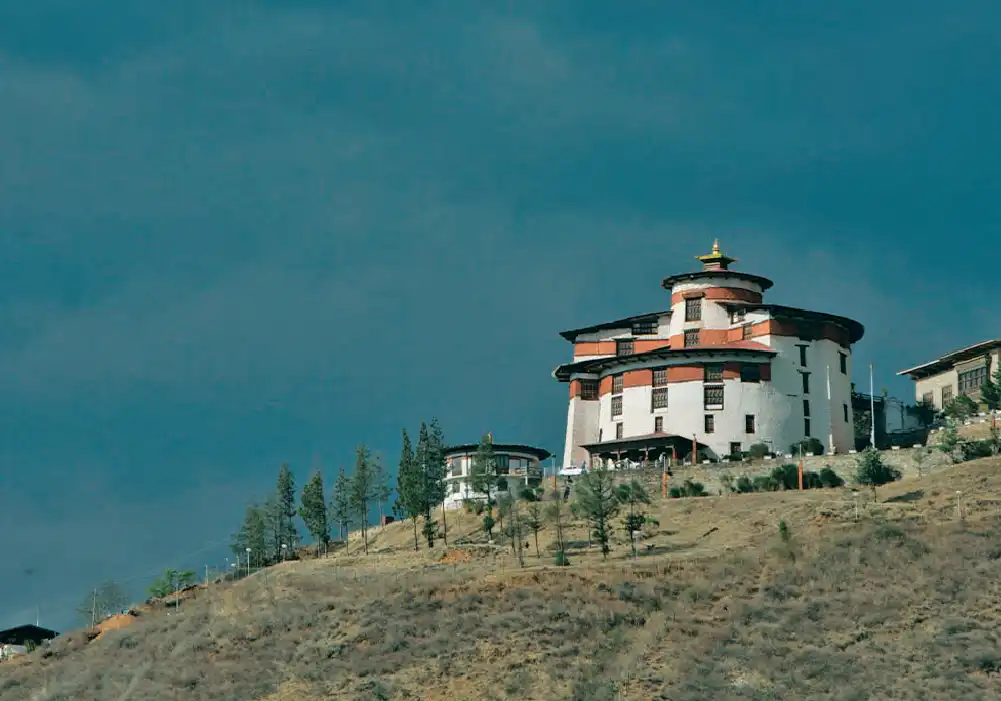
Welcome to Bhutan, a hidden gem in the heart of the Himalayas. Known as the “Land of the Thunder Dragon,” Bhutan offers breathtaking landscapes, rich cultural heritage, and an unwavering commitment to sustainability. Explore ancient monasteries, vibrant festivals, and traditional Bhutanese architecture that reflect the nation’s deep spiritual roots. Trek through pristine forests, traverse stunning mountain passes, and immerse yourself in the serene beauty of this unspoiled paradise. Bhutan’s unique philosophy of Gross National Happiness ensures a harmonious balance between economic development and the well-being of its people. Discover the magic of Bhutan with us and experience a journey like no other.
Geography
- Location: Situated in the Eastern Himalayas, between China to the north and India to the south, east, and west.
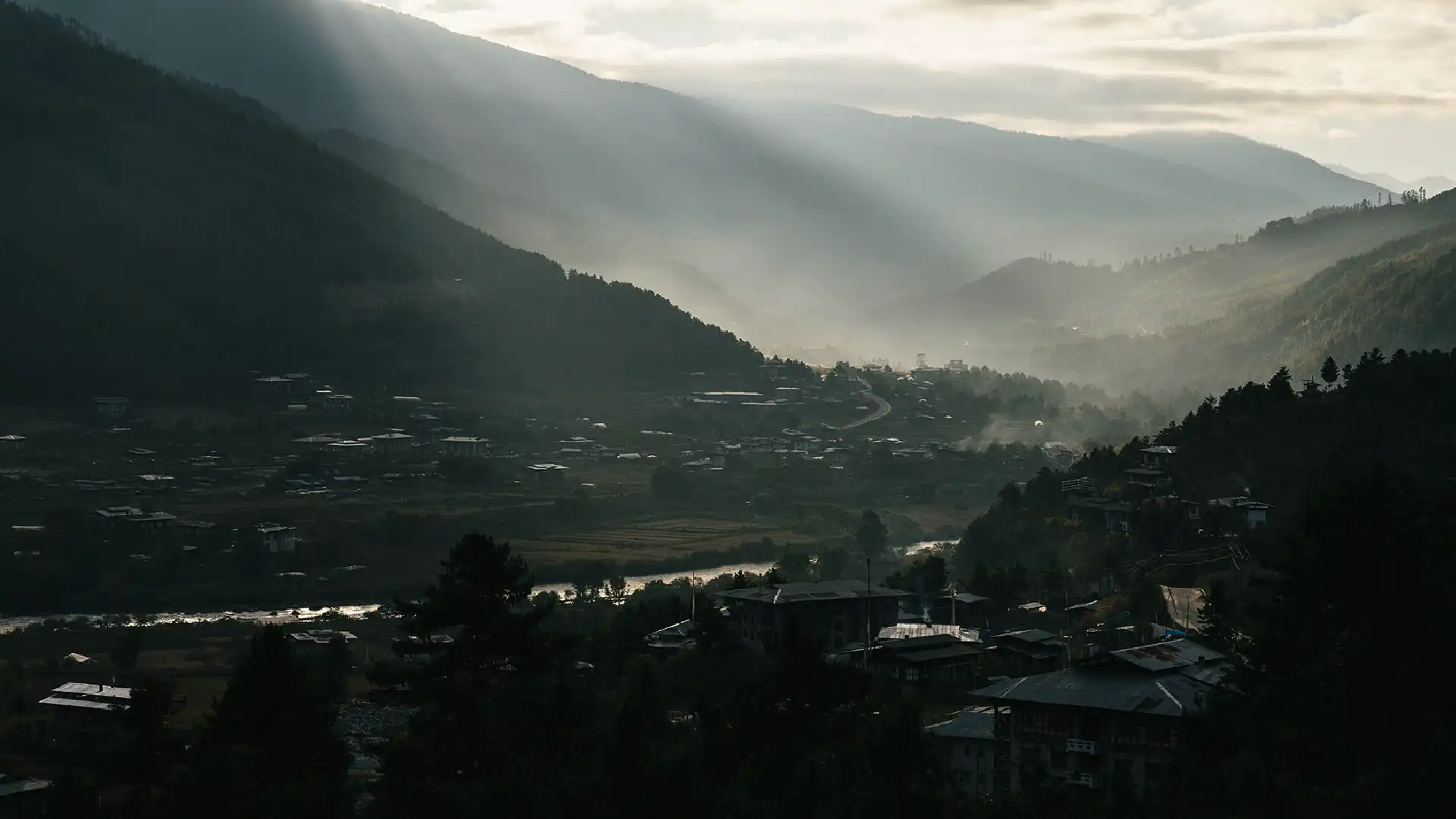
- Topography: Varied terrain including subtropical plains in the south, soaring Himalayan peaks in the north, and deep valleys throughout.
- Highest Peak: Gangkhar Puensum, standing at 7,570 meters (24,836 feet), is the highest unclimbed mountain in the world.
- Rivers: Major rivers such as Wang Chhu, Sunkosh, and Manas flow through the country, shaping its landscape and supporting agriculture.
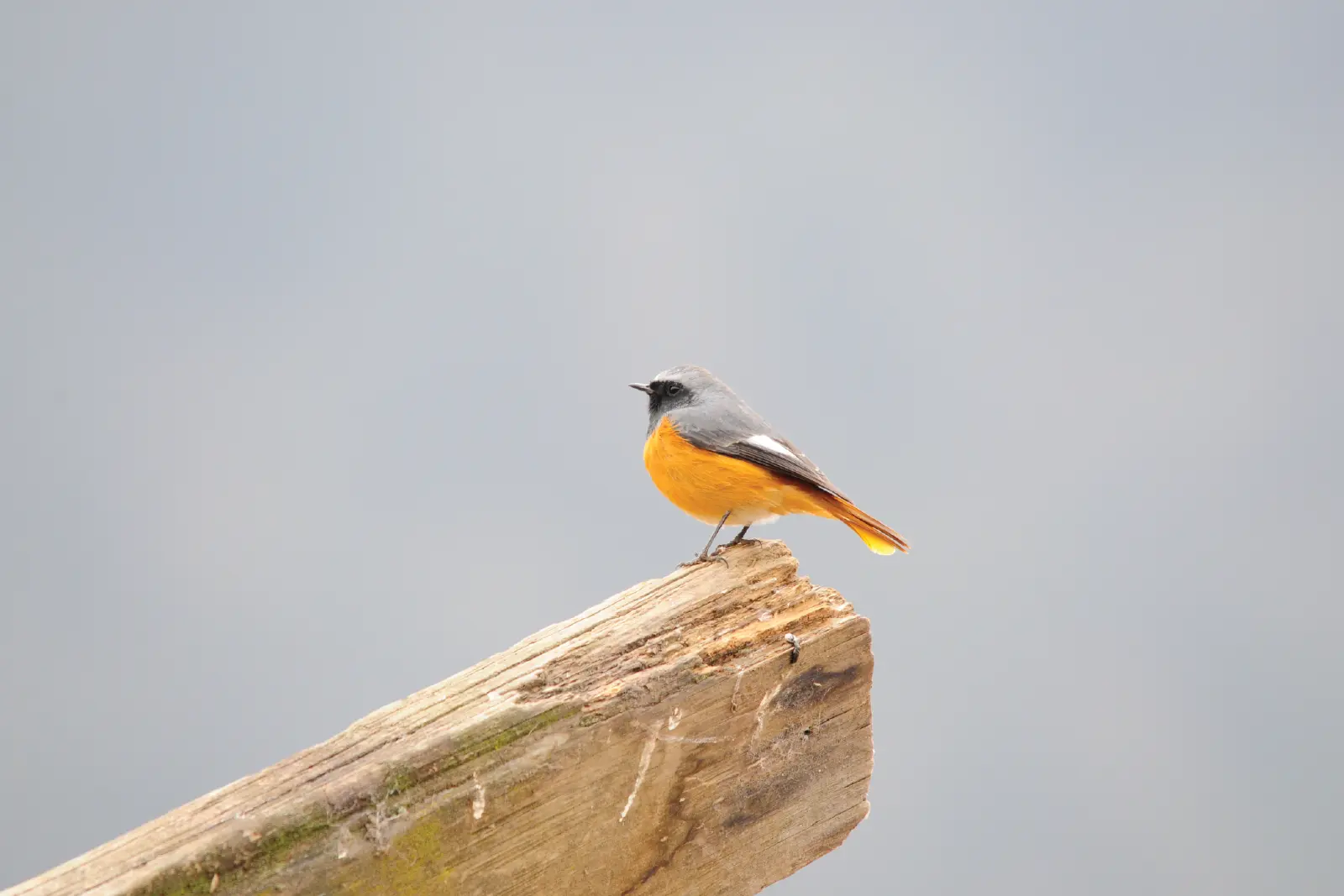
- Forest Cover: More than 70% of Bhutan is covered in forest, contributing to its rich biodiversity and environmental conservation efforts.
Climate
- Variety: Bhutan experiences a diverse climate due to its varying altitudes and topography.
- Southern Region: Subtropical climate with hot, humid summers and mild, dry winters. Monsoon season brings heavy rains.
- Central Region: Temperate climate with warm summers, cool winters, and moderate rainfall during monsoons.
- Northern Region: Alpine climate characterized by cold, harsh winters with snowfall and cool summers.
- Seasons: Monsoon season from June to September, best visited during spring (March to May) and autumn (September to November) for pleasant weather and clear skies.
- Altitude Influence: Climate varies significantly with altitude, influencing local ecosystems and agricultural practices.
Culture And Religion
- Gross National Happiness: Unique philosophy emphasizing well-being over economic growth, shaping policies and societal values.
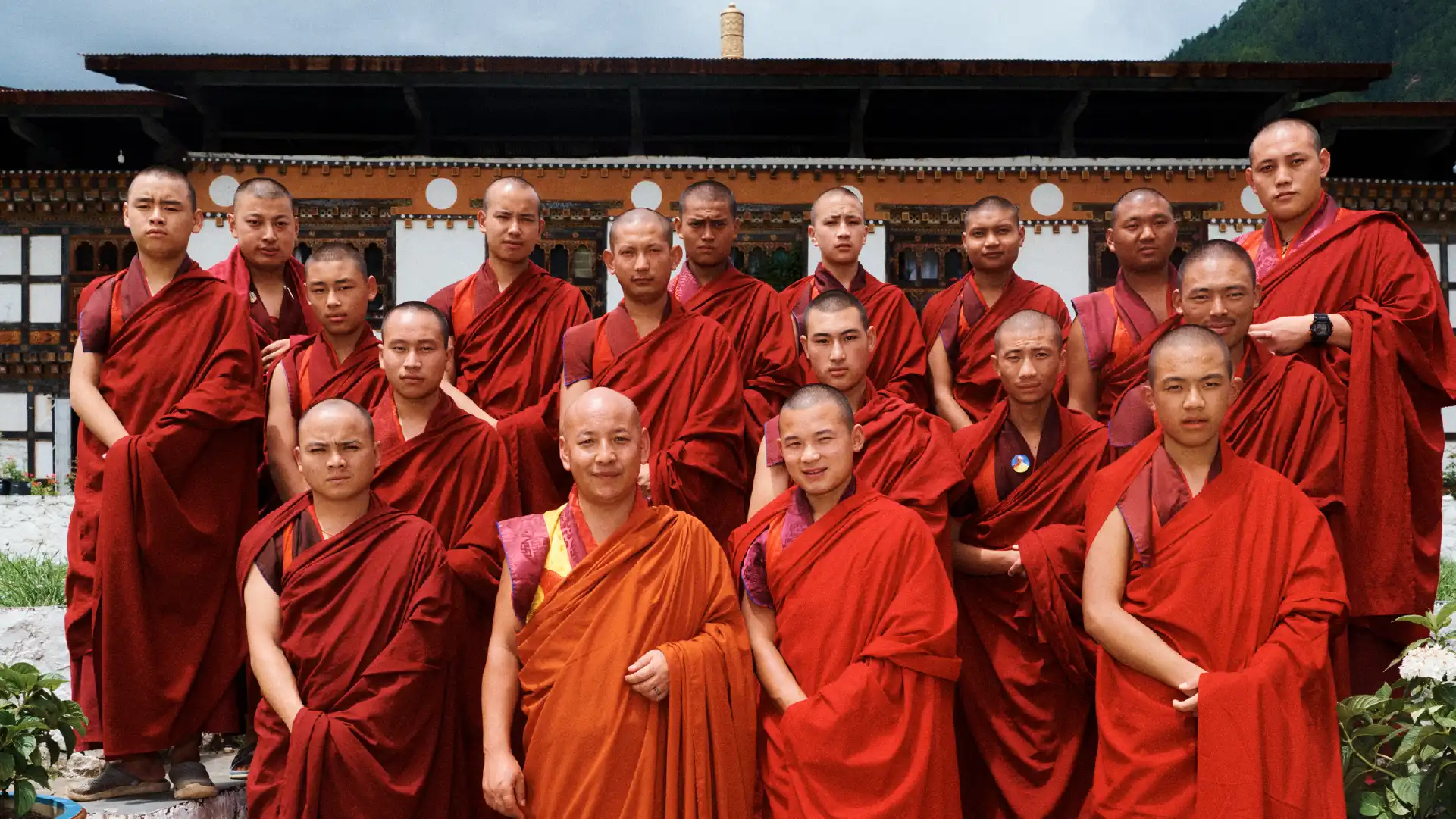
- Buddhist Influence: Predominantly Vajrayana Buddhism, central to cultural practices, festivals, and daily life.
- Traditional Arts: Rich heritage of traditional arts including thangka painting, mask dances, and intricate wood carving.
- Architectural Heritage: Dzongs (fortresses), monasteries, and traditional Bhutanese architecture reflect cultural values and history.
- Festivals: Colorful religious festivals (tsechus) celebrate local deities with masked dances, music, and community gatherings.
- Language: Dzongkha is the official language, with English widely spoken; regional languages also in use.
- Dress: Traditional dress includes the gho (for men) and kira (for women), symbolizing cultural identity and social status.
- Cuisine: Bhutanese cuisine features spicy dishes like ema datshi (chili and cheese stew) and momo (dumplings), influenced by Tibetan and Indian flavors.
- Hospitality: Warm hospitality and respect for guests are integral to Bhutanese culture, reflecting Buddhist principles of compassion and kindness.
- Modernization and Preservation: Balancing modern influences with efforts to preserve cultural heritage and traditions through government policies and community initiatives